
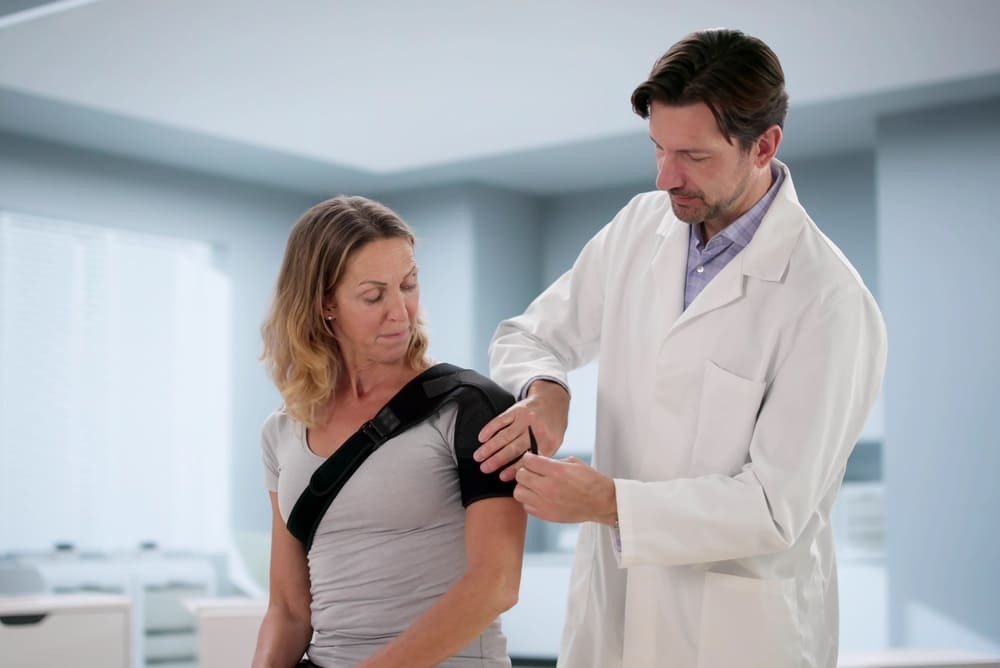
A car accident can leave your shoulder sore or difficult to move, even when there is no visible injury. In some cases, discomfort starts immediately, while in others it becomes more noticeable later as stiffness develops or normal arm use resumes.
If you are researching shoulder pain after a car accident, identifying the source of the discomfort is important before choosing treatment. Comprehensive Healthcare Group explains common injury patterns and recovery options below, including when chiropractic services in Oceanside, NY, may have a role in care.
Why a Collision Can Affect the Shoulder
The shoulder allows substantial movement, but that mobility also makes it vulnerable to force during a crash. A direct impact or sudden motion can affect the joint and surrounding tissues, leading to pain or reduced function.
According to the World Health Organization (WHO), approximately 1.16 million people die each year in road traffic crashes, illustrating the severity of trauma these collisions can cause.
Common Shoulder Injuries After a Car Accident
Different injuries can produce similar symptoms, so pain alone may not reveal what has been damaged. Possible injuries include:
- Rotator cuff injuries: Trauma can injure the tendons that help stabilize the shoulder and move the arm.
- Shoulder dislocation: A strong force can push the upper arm bone partly or completely out of its socket.
- Soft tissue damage: Muscles and other supporting tissues can become strained or bruised during impact.
According to an analysis of the TraumaRegister DGU®, shoulder injuries were identified in 27.9% of 54,076 severely injured patients. Traffic accidents accounted for 68.5% of the cases involving shoulder injuries, showing how frequently shoulder trauma can occur in serious collisions.
How Pre-Existing Shoulder Problems Can Affect Post-Crash Symptoms
A car accident can aggravate a shoulder problem that was already present, even if it caused few or no symptoms beforehand. Prior injuries or age-related changes may influence how the shoulder responds to sudden trauma.
Sharing previous shoulder symptoms and treatment history with the clinician can provide useful context when determining which problems are new and which may have been worsened by the collision.
When Shoulder Pain Needs Medical Attention
Persistent shoulder pain after a car accident should not automatically be assumed to be temporary soreness. Certain symptoms deserve prompt attention, such as:
- Visible deformity: A shoulder that looks out of position may indicate a fracture or dislocation.
- Severe movement loss: Difficulty moving the arm away from the body can signal a significant injury.
- Increasing pain: Pain that becomes stronger or more persistent after the accident should be evaluated.
- Marked weakness: Sudden weakness after trauma may indicate damage requiring further investigation.
How Diagnostic Imaging Can Clarify the Injury
A physical examination can provide information about movement and function, but diagnostic imaging may be added when a clinician needs to examine the bones or soft tissues more closely. Imaging options may include:
- X-rays: These can identify many bone injuries and help confirm a dislocation.
- MRI: This may provide greater detail when a tendon or another soft tissue injury is suspected.
- Ultrasound: This can be useful for evaluating certain rotator cuff problems.
Patients seeking more information can also review this information about common shoulder problems to learn how different structures may contribute to symptoms.
When Chiropractic Care for Shoulder Pain May Be Considered
Whether chiropractic for shoulder pain is appropriate depends on the cause of the symptoms. It may be considered when musculoskeletal or neck-related issues are contributing to discomfort and more serious injuries have already been addressed.
Chiropractic care should reflect the specific diagnosis. Fractures and dislocations require appropriate medical management, while some rotator cuff injuries may require surgery.
According to Peterson-KFF, healthcare costs can cause some Americans to delay care, with 45% of surveyed adults stating that they’re worried about paying their medical bills. Checking insurance acceptance in advance may help clarify potential treatment costs and options.
How Physical Therapy May Support Shoulder Recovery
Physical therapy may be used when an injury has affected shoulder movement or function. Rehabilitation may focus on:
- Range of motion: Guided movements may help address stiffness as the shoulder recovers.
- Strength: Exercises can gradually rebuild strength around the injured area.
- Movement control: Therapy may address how the shoulder functions during everyday tasks.
- Activity progression: Physical demands may increase as recovery and tolerance allow.
This structured approach can help restore shoulder use in a safe way, with the rehabilitation plan progressing in line with pain levels and healing goals.
Choosing Treatment Based on the Shoulder Injury
Treatment for shoulder pain after a car accident can vary depending on how much the injury affects movement and daily function. A mild soft-tissue injury may require a different approach than a dislocation or a significant rotator cuff tear.
Some shoulder conditions can be managed with conservative treatment, while certain structural injuries may require specialized orthopedic care. Follow-ups may also be needed if function does not improve as expected.
Discuss Post-Accident Shoulder Care With Comprehensive Healthcare Group
If you have shoulder pain after a car accident, timely care can help address ongoing pain and movement limitations. Comprehensive Healthcare Group offers multidisciplinary care for musculoskeletal injuries. You can learn more about chiropractic treatments after a car accident as you consider your treatment options.
Our doctors accept most insurance plans, including workers’ compensation, no-fault, and PIP (personal injury protection). Same-day appointments may be available. Call Comprehensive Healthcare Group at (516) 764-7760 to discuss any ongoing shoulder symptoms and our available care options.
Frequently Asked Questions
The following questions address common concerns about shoulder injuries and care after a car accident.
Can a Car Accident Cause a Rotator Cuff Injury?
Yes. Sudden trauma can injure the rotator cuff, although these problems can also develop gradually from other causes.
Does Every Shoulder Injury Require an MRI?
No. An MRI is not required for every shoulder injury. Imaging decisions depend on the suspected condition and what the physical examination shows.
Can Shoulder Pain Start the Day After a Car Accident?
Yes. Shoulder pain after a car accident may appear hours or days later. New or worsening pain that limits normal shoulder use should be evaluated.